Grit, Grace, and DNA, Part 1
How Lon and Cecilia Threw Themselves from a Moving Train
This is the first of a seven-part excavation of the past—and the brilliant gems and ticking bombs buried with my ancestors.
Here’s the truth I’ve come to understand: The essences of our forebears – their visceral selves, the stuff in and around their sinew and bones – travel forward. It seeps through time and settles in our bones.
These inheritances become our gifts and our burdens.
Come with me and you’ll meet some scallywags and visionaries along the way—and maybe uncover some of the unique qualities conferred on you through time and nature.
So, don your pith helmet, grab a pick-axe, and join me, will you?
The year: 1911 or thereabouts.
The place: Eastern Montana Territory.
One fine day, my great-grandparents on my father’s side—Lon and Cecilia Desonia—boarded a train heading west from Minnesota. I like to imagine they were fleeing comfort for adventure, trading China teacups for open sky.
They may just as easily have been ordinary people chasing the promise of free land and self-determination. Or on the lam. I don’t know.
What I do know is that – in an area that was mostly open prairie, hunting grounds, bolt holes, and rugged outposts – Lon and Cecilia planned to build a ranch out of nothing but dreams and perseverance.
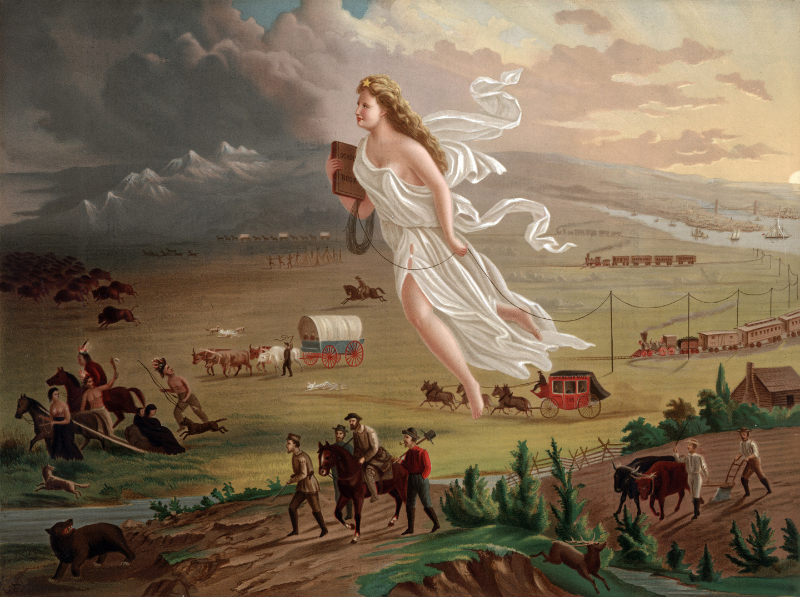
On free land with rich soil and available water, they would “prove up” their contract with the government by building a permanent home and cultivating the land. They would bring on a few head of cattle and then add a few more and then more. They’d get some sheep and some chickens for soft wool and farm-fresh eggs.
They’d raise a family that lived fully and freely on land that they loved.
In the early 1900s, the area they chose was rife with outlaws, thieves, and rustlers. Legends of the Wild West report that Butch Cassidy himself named “The Outlaw Trail,” a rough road that crossed into Canada north of Plentywood, Montana, and provided a passage for rustlers to move their stolen cattle and horses.
It was also near here where Sitting Bull surrendered to the U.S. Army in 1881.
Lon chose the small town of Plentywood – which wasn’t much more than a newly minted post office, hotel and saloon, and general goods store – as the base from which the newlyweds would build their new life.
One small problem: the Great Northern Railway did not stop in Plentywood. The train would barrel right past it on its way to Scobey.
A man of independence, and a bit of a rule-breaker, Lon would not be deterred.
When the conductor refused an unscheduled stop, Lon asked him to slow the train as they approached Plentywood—just enough. As they passed the outskirts of town, Lon began throwing their belongings off the train: steamer trunks, hat boxes, and a crate of carefully packed heirloom China onto the dusty ground.
Then he jumped.
He rolled a distance in the dirt and then picked himself up and readjusted his Dudley Do-Right hat.
Cecilia, waiting on the steps of the caboose, watched her husband race to reach the moving train—her heart hammering inside her petticoats, her linen duster fluttering in the wind.
If Lon didn’t catch the train, Cecilia would find herself alone in Scobey, Montana, without money, lodging, or protection.
The moment came, and Lon stretched his hands toward his new bride. Courageous as a new bud in springtime, Cecilia leapt.
And just like that, they stood together on the Montana prairie—dusty, breathless, unbroken.
And that is how I know I come from a lineage of grit and grace.
And a willingness to risk embarrassment, failure, even bodily harm, rather than submit to a life that doesn’t fit.
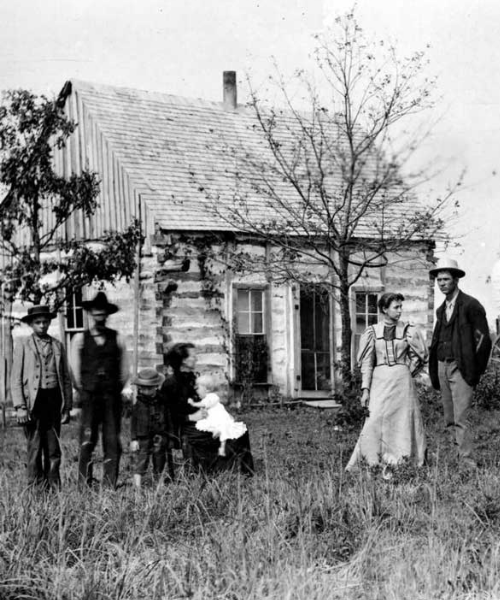
These traits carry strength, persistence, and integrity. They also carry stubbornness, self-centeredness, and a dangerous level of chronic stress.
Lon and Cecilia raised nine children on uncertain land, in fickle weather, with catastrophe always looming in the distance. I imagine their lives held equal measures of strain and wonder, crushing disappointments and extraordinary beauty.
For my part, decades of chronic stress caught up with me at age sixty-six—in the form of a heart attack, an ulcer, and an overzealous gallbladder, all at once. Five long days in a hospital far from home – alone and scared – gave me plenty of time to consider the size of life that would fit me best going forward.
The best news: I inherited the courage and personal agency to endure, to recover, and to live better.
If you take anything away from this story, let it be that the boldest part of you could be an echo of someone in your past who refused to stay seated when life rushed by.
For me, my heart reaches back across a century, grateful for two newlyweds who trusted motion over safety, and leapt.
# # #
P.S. My own experience involving a moving train was more dangerous and involved my hero of a brother. More on that in Part 7 of Grit and Grace, with “I Inherited Tenacity.” Please stay tuned!
Grit, Grace, and DNA is a seven-part personal essay series that traces what we inherit beyond names and stories—courage, temperament, risk, resilience. Moving between family history and lived experience, these essays explore how the choices of those who came before us continue to shape how we love, endure, and step forward. This is an excavation of legacy: the brilliance, the burden, and the quiet ways we learn to live butter side up.
Side note: I would love it if you would follow me on Substack. All my content is free and you don’t have to jump through a bunch up hoops to find me! Thank you. ❤️
 Kyla Merwin